
Home/Services/Chemical Peels

Chemical peels in
Rhodes & Castle Hill.

Chemical peels use carefully selected exfoliating solutions to refresh the surface of the skin and support texture, tone and clarity. Chosen for your skin type by Nurse Debbie after a consultation.

Treatment time
Around 30 to 45 min
Typical downtime
Light flaking for a few days
Sessions
Single or a course
Consultation
Required first
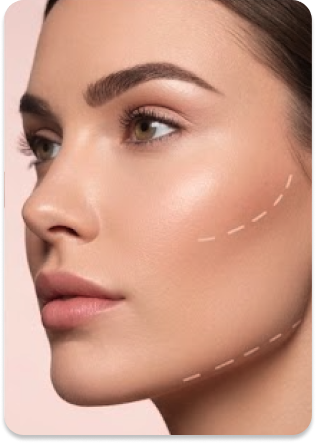
Chemical peel skin treatment at Nurse Debbie cosmetic clinic, Rhodes and Castle Hill

About the treatment

What is a chemical peel?

A chemical peel applies an exfoliating solution, such as an alpha or beta hydroxy acid, to remove dead surface cells and encourage the skin to renew. Superficial peels work on the outermost layer of the skin and usually involve little downtime.

Peels are often chosen to support dullness, uneven tone, congestion and rough texture. The type and strength of peel are matched to your skin type, and Debbie will take extra care with skin that is prone to pigmentation.

Chemical peels are available at our Rhodes and Castle Hill clinics.

Is it right for you?

Who it may suit

Suitability is always confirmed at your consultation, after Debbie has reviewed your skin and health history.

  • May suit you if

    • Your skin looks dull, rough or congested
    • You would like to support uneven tone or texture
    • You can avoid sun exposure while your skin recovers
    • You are happy to follow a home skincare routine
  • Not suitable if

    • You have sunburn, broken skin or an active skin infection
    • You are pregnant or breastfeeding, for some peel types
    • You have recently used certain acne medications
    • You have an allergy or sensitivity to the peel ingredients

Your appointment

What to expect

From your first consultation to aftercare, every step is with Debbie at our Rhodes or Castle Hill clinic.

  1. Consultation

    Debbie assesses your skin type, history and goals and recommends a suitable peel.

  2. Preparation

    Your skin is cleansed and prepared so the peel applies evenly.

  3. Treatment

    The peel is applied and carefully timed. A warm or tingling feeling is normal.

  4. Aftercare

    The peel is neutralised or removed, soothing products are applied and you receive aftercare instructions.

Aftercare & risks

Looking after your skin

You will receive written aftercare instructions after every treatment.

  • Aftercare

    • Do not pick or peel flaking skin
    • Wear broad-spectrum SPF daily and avoid direct sun
    • Use a gentle cleanser and moisturiser for several days
    • Pause exfoliants and retinoids until Debbie advises
  • Possible side effects

    • Tingling, redness or tightness after treatment
    • Light flaking or peeling for a few days
    • Temporary sensitivity
    • Rarely, irritation or changes in pigmentation

Results vary from person to person. Debbie will explain the realistic outcome, risks and costs for your skin at your consultation. If you are concerned after a treatment, call the clinic, and in an emergency call 000.

Questions

Chemical Peels questions

Will my skin visibly peel?

With superficial peels, many people notice only light flaking for a few days. Some peels cause no visible peeling at all.

How often can I have a peel?

Peels are often repeated every few weeks as a course. Debbie will recommend a schedule that suits your skin.

Are peels suitable for all skin types?

Many skin types can be treated, but the type and strength of peel matter. Skin prone to pigmentation needs extra care, which Debbie will discuss with you.

Can I wear makeup afterwards?

It is best to wait until the next day, or as advised in your aftercare instructions.

Rhodes & Castle Hill

Book your consultation.

Find out whether a chemical peel suits your skin with a one-on-one consultation at our Rhodes or Castle Hill clinic.